

FAQ: Ocular Disease Management
At our office, we provide comprehensive ocular disease management to help detect eye conditions early, monitor changes in eye health, and protect long-term vision. Our approach focuses on thorough evaluations, personalized care, and ongoing monitoring for a variety of eye diseases. Below are frequently asked questions on ocular disease management.
What is ocular disease management?
Ocular disease management involves diagnosing, monitoring, and addressing medical conditions that affect your eyes and vision. In our office, we evaluate eye health, identify potential concerns, and develop personalized management plans to help preserve vision and prevent avoidable complications.
What types of eye diseases can you evaluate?
Our practice evaluates a variety of eye conditions, including glaucoma, diabetic retinopathy, macular degeneration, cataracts, and dry eye disease. We assess each patient's symptoms, medical history, and eye health to determine the appropriate monitoring, treatment recommendations, or specialist referrals.
How do I know if I need an ocular disease evaluation?
You should schedule an evaluation if you experience persistent blurry vision, changes in peripheral vision, eye discomfort, or other unusual visual symptoms. However, many eye diseases develop without noticeable warning signs. Comprehensive eye exams help identify problems before significant vision changes occur.
Can glaucoma develop without symptoms?
Yes. Glaucoma often progresses gradually without noticeable symptoms, making regular eye examinations essential. Our eye doctors assess eye pressure, optic nerve health, and other risk factors to identify signs of glaucoma and determine whether additional testing or monitoring is necessary.
How is glaucoma diagnosed and monitored?
Glaucoma evaluations may involve measuring intraocular pressure, examining the optic nerve, assessing peripheral vision, and reviewing changes over time. We use examination findings to determine appropriate follow-up care and help patients understand their glaucoma risk.
Do you provide diabetic eye exams in your office?
Yes. We provide diabetic-related eye exams at our office to identify changes associated with diabetes, including diabetic retinopathy. These examinations allow us to assess retinal health, monitor potential complications, and recommend appropriate care. Regular diabetic eye examinations are essential even when your vision appears normal.
Can macular degeneration be detected during an eye exam?
Yes. A comprehensive eye examination can reveal changes in the macula associated with age-related macular degeneration. We evaluate retinal health and determine whether additional imaging, closer monitoring, or referral to a retinal specialist is necessary.
Can cataracts cause blurry vision and night driving glare?
Yes. Cataracts can cause cloudy vision, increased sensitivity to light, glare, and difficulty seeing clearly at night. During an eye exam, we assess the clarity of your natural lenses and determine whether cataracts are contributing to your symptoms. We also discuss appropriate next steps when surgical evaluation becomes necessary.
Is dry eye disease included in ocular disease management?
Yes. Dry eye disease is a common condition that can cause burning, irritation, fluctuating vision, and excessive tearing. We evaluate the underlying causes of dry eye and recommend personalized treatment options to improve comfort and support ocular surface health.
Can high blood pressure affect my eye health?
Yes. High blood pressure can damage blood vessels in the retina and contribute to serious vision complications. Our eye doctors look for signs of hypertension-related eye changes during appropriate examinations. Identifying these changes allows us to recommend monitoring and coordinate additional medical care when needed.
What happens during an ocular disease management appointment?
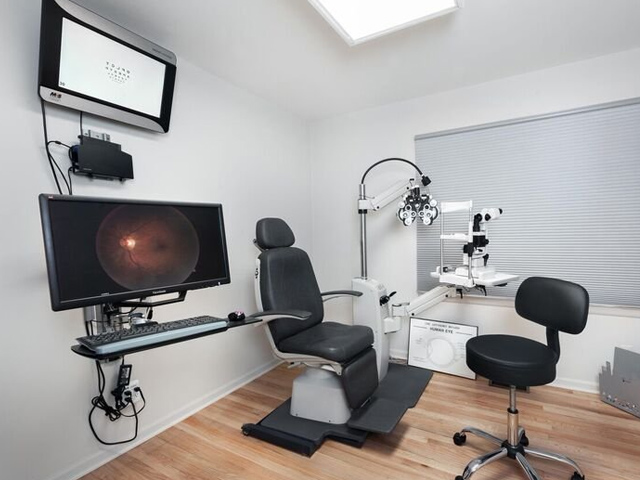
During your appointment, we review your symptoms, medical history, medications, and relevant risk factors. We then perform a detailed eye examination and recommend additional diagnostic testing when appropriate. Based on our findings, we explain your eye health, discuss treatment recommendations, and establish a follow-up plan.
How often should I schedule eye disease monitoring?
The appropriate examination schedule depends on your age, medical history, existing eye conditions, and individual risk factors. Some patients benefit from annual comprehensive eye exams, while others require more frequent monitoring. At our office, we establish examination intervals based on your specific eye health needs.
What eye symptoms require urgent attention?
Sudden vision loss, new flashes of light, a sudden increase in floaters, a dark curtain across your vision, or severe eye pain require immediate medical attention. These symptoms may indicate a serious eye condition. Patients experiencing these warning signs should seek emergency eye care without delay rather than waiting for a routine appointment.
Can early detection prevent permanent vision loss in patients?
Early detection can significantly improve the management of many eye diseases and reduce the risk of permanent vision damage. Although not every condition is preventable or reversible, timely diagnosis creates more opportunities for effective intervention. Our practice emphasizes routine examinations and consistent monitoring to help protect long-term eye health.
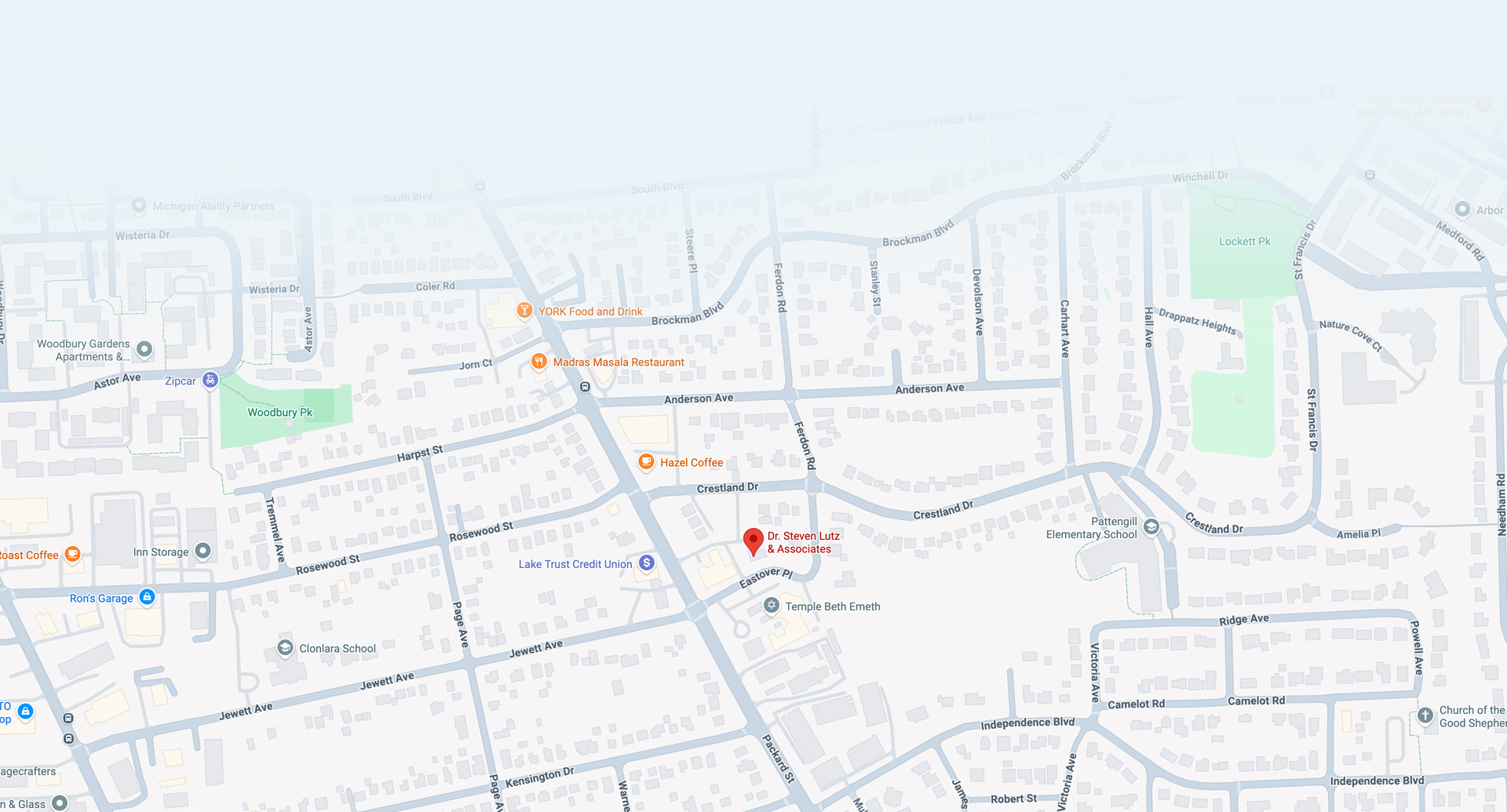
Why choose Dr. Steven Lutz & Associates for ocular disease management in Ann Arbor?
We provide attentive, comprehensive eye care focused on early detection, accurate assessment, and personalized management. Our experienced optometrists, Dr. Steven Lutz and Dr. Stephanie Krieg, take the time to evaluate your eye health, explain their findings, and recommend appropriate next steps. We are committed to helping patients in Ann Arbor maintain healthy vision through consistent, individualized care.
If you have concerns about your eye health or need ongoing management for an existing condition, contact our office at (734) 769-2909 to schedule a comprehensive eye examination and take a proactive approach to protecting your vision.



Hours of Operation
- Monday 9:30am - 4:30pm
- Tuesday 9:00am - 4:30pm
- Wednesday Closed
- Thursday 9:00am - 4:30pm
- Friday 9:00am - 4:30pm
- Saturday 9:00am - 1:00pm
- Sunday Closed
*Later appointments are available upon request on Monday and Tuesday.*
© 2026 Dr. Steven Lutz & Associates. All rights Reserved. Accessibility Statement - Privacy Policy - Sitemap
Powered by:
