

FAQ: Dry Eye Treatment in Ann Arbor, MI
If you are dealing with burning, itching, watering, redness, or blurry vision, dry eye treatment can help improve comfort and protect your eye health. At Dr. Steven Lutz & Associates, we evaluate your symptoms, look for the cause of your dryness, and recommend treatment options that fit your needs. Below are frequently asked questions on dry eye treatment.
What is dry eye treatment?
Dry eye treatment focuses on relieving irritation, improving tear quality, and helping your eyes stay properly lubricated. At our office, we start with an eye exam to understand what may be causing your symptoms, then recommend treatment based on your specific needs.
How do I know if I need dry eye treatment?
You may need dry eye treatment if your eyes often feel gritty, itchy, red, watery, sensitive to light, or uncomfortable with contact lenses. Some patients also notice blurry vision that comes and goes. If symptoms are ongoing, an eye exam can help us identify the cause.
What causes dry eye patients?
Dry eye can be caused by medications, dehydration, hormonal changes, certain health conditions, contact lens wear, screen use, dry environments, or meibomian gland dysfunction. Because the cause can vary, we take time to evaluate your eyes before recommending dry eye treatment.
Can dry eye cause blurry vision?
Yes, dry eye can cause blurry or fluctuating vision because the tear film helps keep the surface of the eye smooth and clear. Patients may notice vision changes after reading, using screens, driving, or wearing contacts. Dry eye treatment can help improve comfort and visual stability.
Is watery eye a sign of dry eye?
Watery eyes can sometimes be a sign of dry eye. When the eyes are irritated, they may produce excess reflex tears, but those tears may not provide lasting moisture. If you have watery eyes along with burning, redness, or irritation, a dry eye evaluation may help.
What happens during a dry eye exam?
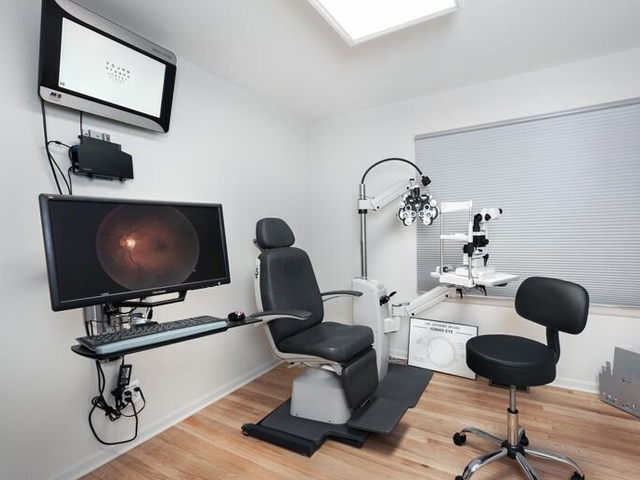
During a dry eye evaluation, we ask about your symptoms, daily habits, health history, and contact lens use. We also examine the eyes to look for signs of dryness or irritation. This helps us understand what type of dry eye treatment may be most helpful.
What dry eye treatment options are available?
Dry eye treatment may include artificial tears, prescription eye drops, medications that help retain moisture, punctal plugs, or lifestyle changes. At Dr. Lutz & Associates, we recommend treatment based on the severity of your symptoms and what is causing the dryness.
Can artificial tears help with dry eye?
Artificial tears can help many patients with mild dry eye by adding moisture and reducing irritation. However, not all eye drops are the same, and some symptoms need more than over-the-counter relief. Our doctors can help determine whether artificial tears are enough or if another treatment is needed.
What are punctal plugs for dry eye?
Punctal plugs are small devices placed in the tear ducts to help your natural tears stay on the eyes longer. For some patients, they may be recommended when drops or other dry eye treatments are not providing enough relief.
Can contact lenses make dry eye worse?
Yes, contact lenses can make dry eye symptoms more noticeable, especially if the tear film is unstable. Patients may feel burning, dryness, or discomfort during lens wear. We can evaluate your eyes and discuss treatment options, including contact lens changes or scleral lenses, which may help improve comfort for certain dry eye patients.
Is dry eye treatment only for severe symptoms?
No, dry eye treatment is not only for severe cases. Many patients benefit from treatment before symptoms become more disruptive. Addressing dryness early can help reduce irritation, support clearer vision, and prevent symptoms from worsening over time.
Can lifestyle changes help dry eye?
Lifestyle changes can support dry eye treatment patients. Drinking enough water, taking breaks from screens, avoiding dry or windy environments when possible, and giving your eyes a break from contacts may help. We may recommend specific changes based on your exam findings.
Can untreated dry eye lead to other eye problems?
Yes, untreated dry eye can lead to ongoing discomfort and may increase the risk of irritation or infection. Patients with chronic symptoms should have their eyes evaluated so we can help protect the ocular surface and recommend appropriate treatment.
How long does it take for dry eye treatment to work?
The timeline for dry eye treatment depends on the cause and the treatment recommended. Some patients notice relief quickly with lubricating drops, while prescription options or other treatments may take more time. We will guide you on what to expect based on your plan.
If you are experiencing dry eye symptoms, Dr. Steven Lutz & Associates is here to help. To schedule an appointment or learn more about dry eye treatment, contact our Ann Arbor office by calling (734) 769-2909 today.



Hours of Operation
- Monday 9:30am - 4:30pm
- Tuesday 9:00am - 4:30pm
- Wednesday Closed
- Thursday 9:00am - 4:30pm
- Friday 9:00am - 4:30pm
- Saturday 9:00am - 1:00pm
- Sunday Closed
*Later appointments are available upon request on Monday and Tuesday.*
© 2026 Dr. Steven Lutz & Associates. All rights Reserved. Accessibility Statement - Privacy Policy - Sitemap
Powered by:
